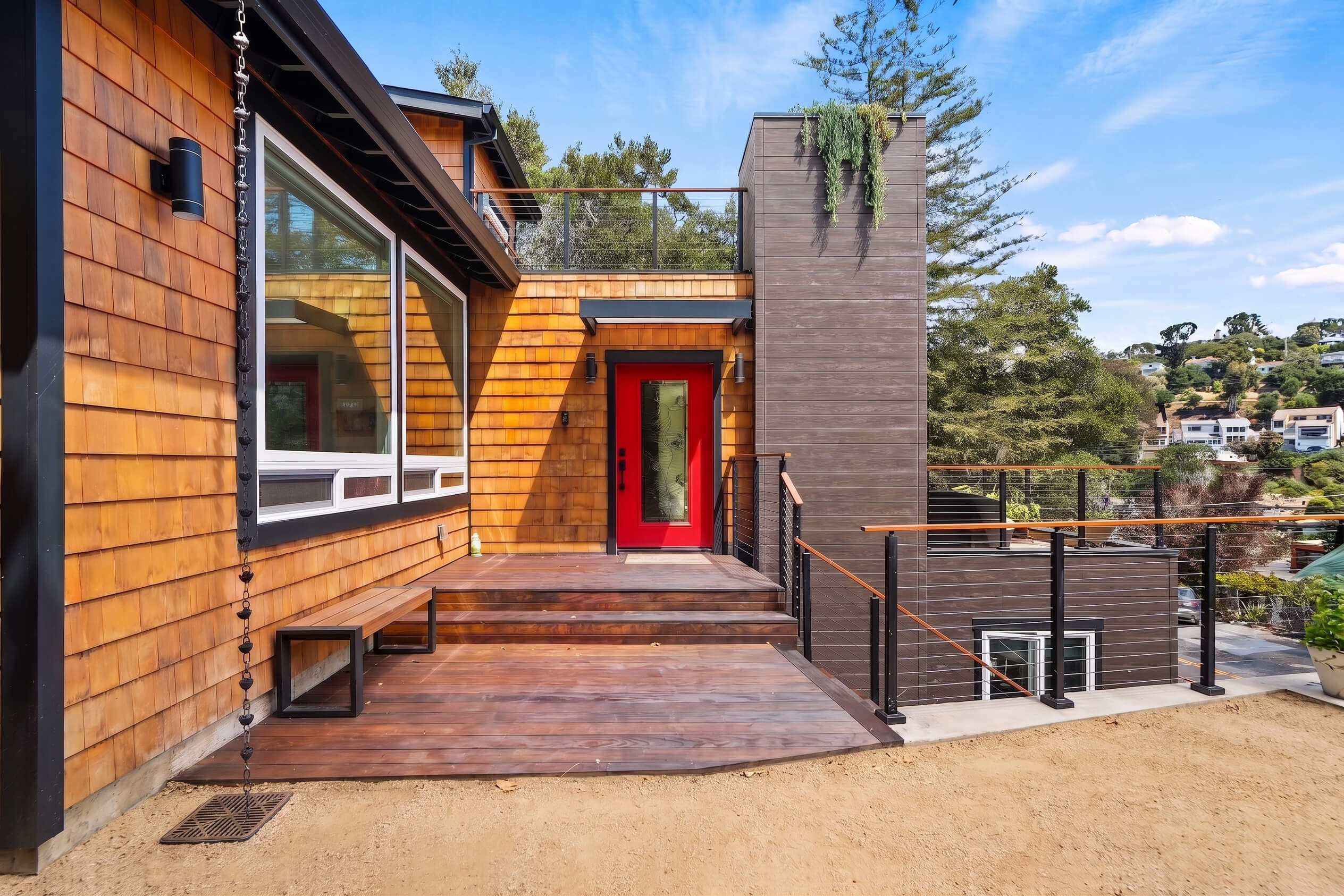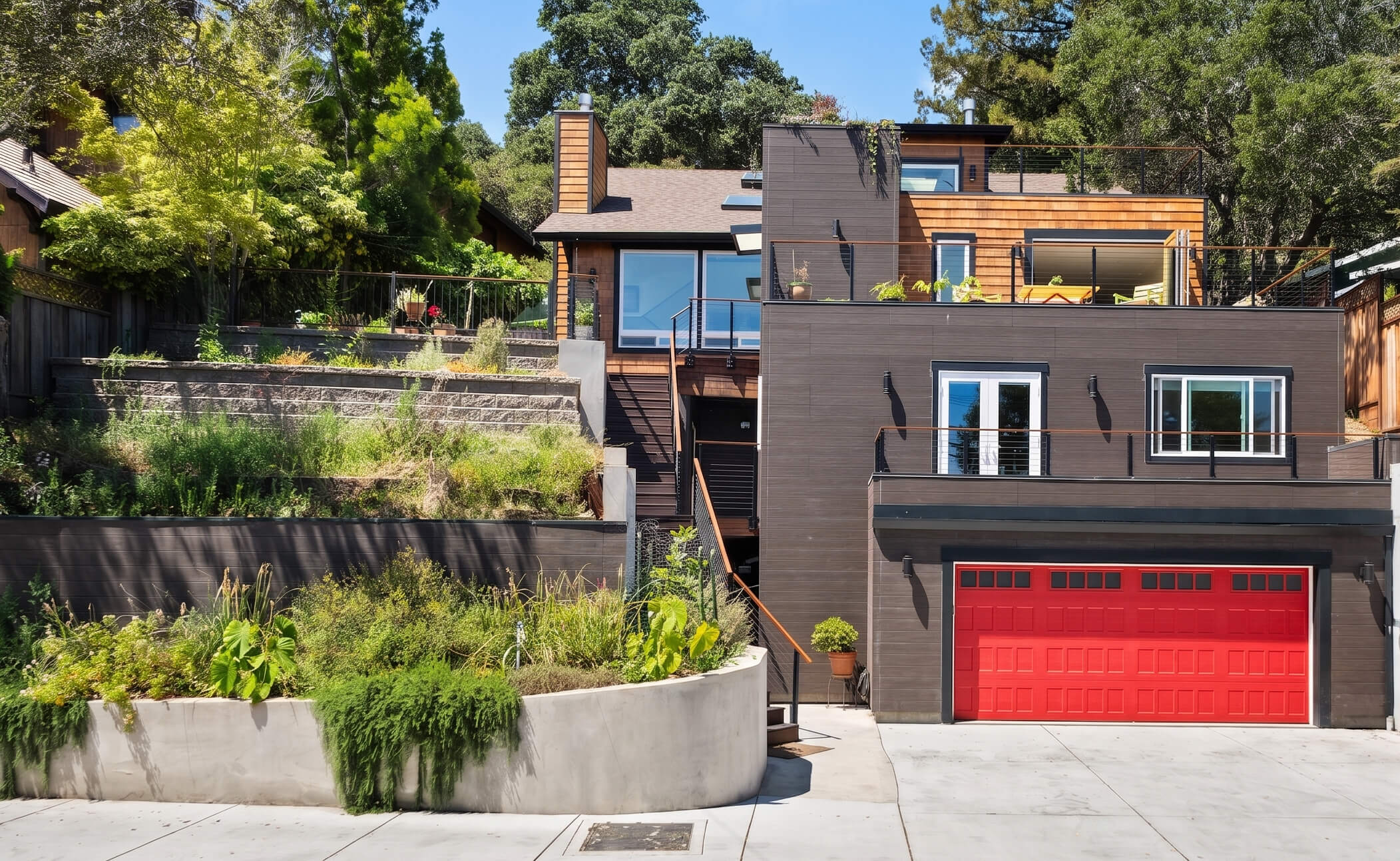
Homeowners often begin with a wish list that is entirely reasonable. A larger kitchen, a more generous primary suite, better connection to the yard, more room for children, stronger circulation, better light, a more comfortable daily rhythm. None of these goals is unrealistic on its own.
The challenge is that once those goals begin interacting with the realities of the existing house, the site, the budget, the timeline, and the approval path, the project can quickly become something larger and more complex than expected.
That does not necessarily mean the ambitions are wrong. It may simply mean that they do not all fit together in the way the homeowner first imagined. In my experience, one of the most valuable things early design work can do is help shape a scope that is aligned with what the house, the property, and the family’s timeframe can realistically support.
A remodel scope makes sense when its ambition, complexity, timing, and cost are in proportion to what the household is actually trying to achieve. The goal is to balance design with construction and approvals considerations so the project can move forward within a realistic budget and timeframe.
When a Reasonable Wish List Becomes a Bigger Project
A project does not usually become misaligned because one goal is excessive on its own. More often, it happens because too many goals begin piling up without enough attention to what they demand in return. A move that seems simple in plan may carry major structural implications. A larger addition may solve one problem while triggering a much more involved approval path. A family may need more room quickly, while the project being imagined would take years to approve and build.
That is where early design work becomes so valuable. It helps distinguish between what is truly needed, what is worth pursuing, and what may no longer make sense once the full picture comes into view.
A Real Example: When the Biggest Idea Was Not the Best Fit
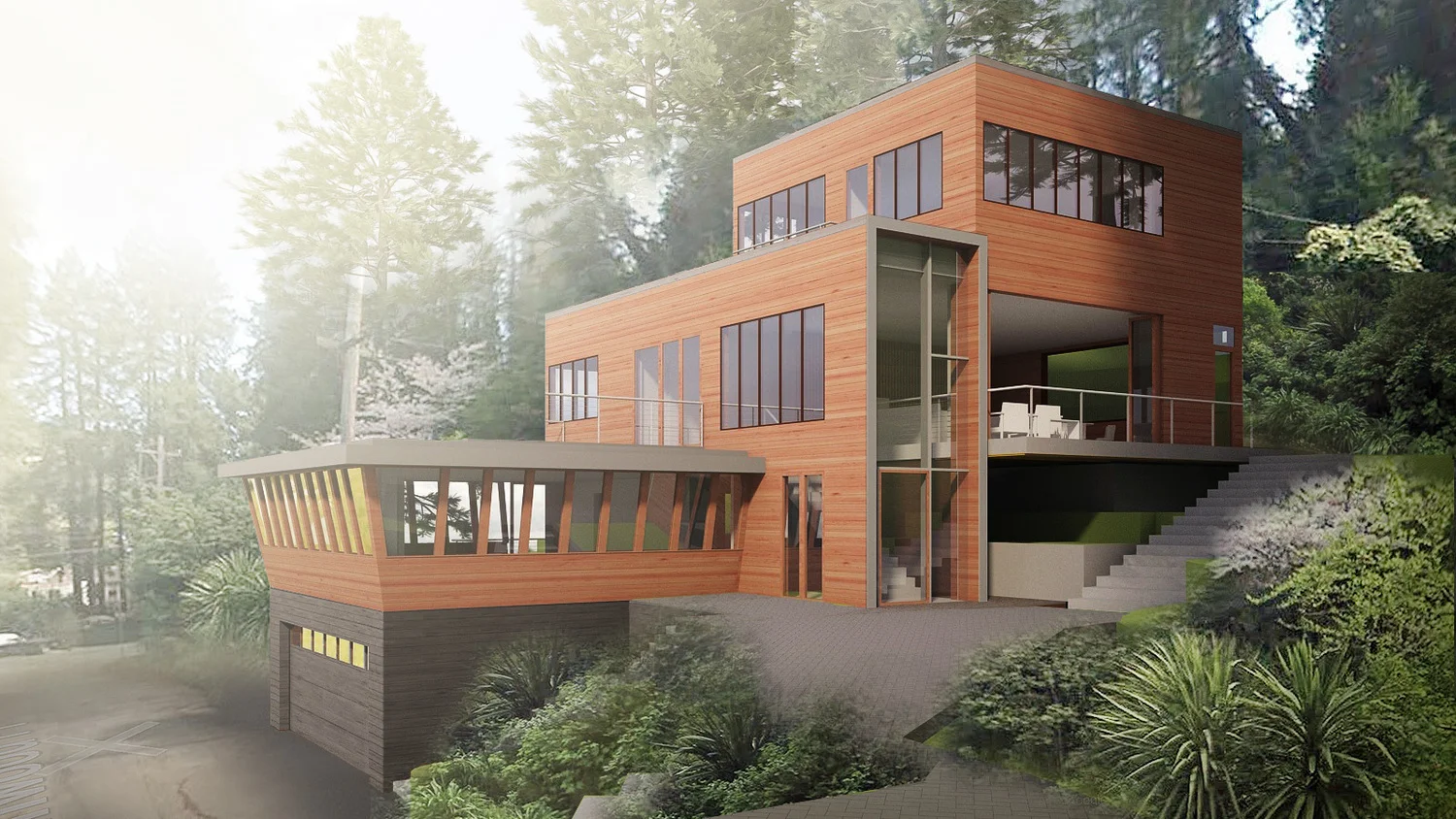
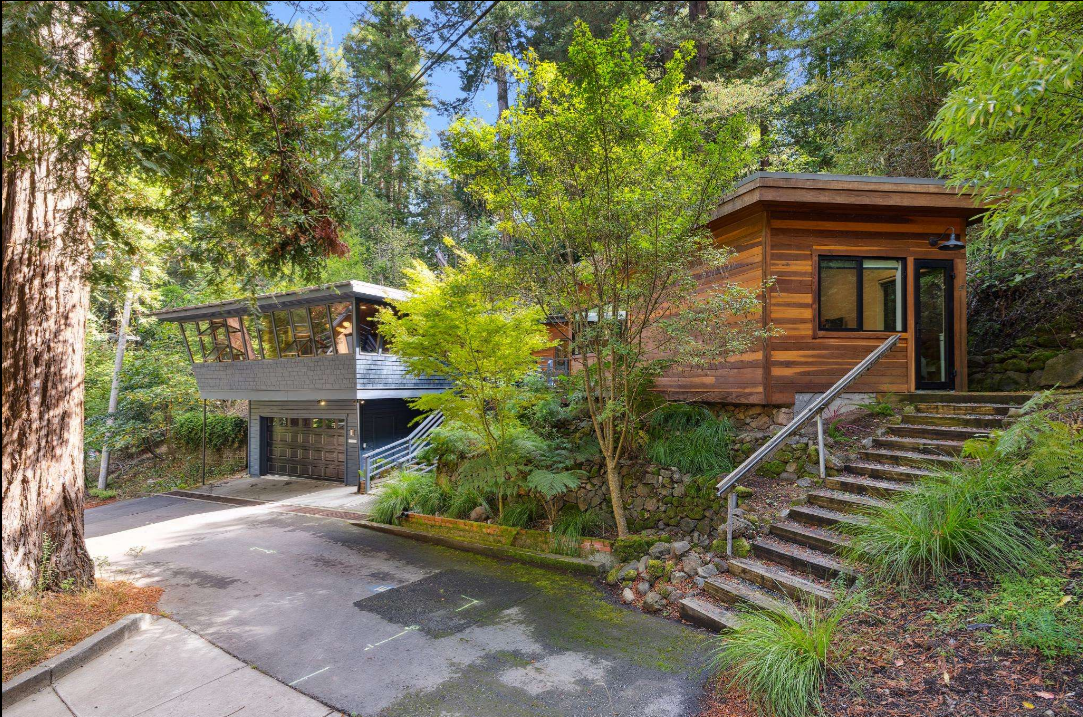
One project that comes to mind began with a very ambitious vision. The owners of the Mill Valley Residence had a small existing home over a garage and were hoping to transform it into a much larger house by adding two stories into and up the hillside, growing it from roughly 1,400 square feet to more than 3,800 square feet.
Their goals were understandable. They needed more room for their family and wanted to make the house work better over the long term. But once the project was studied more closely, it became clear that the question was not only what could be designed, but what would make sense to build.
At that scale, the site and jurisdiction both mattered in a much bigger way. The house was in a city where planning review can be lengthy and highly discretionary. A project of that size would require neighborhood outreach and city review, adding considerable time and uncertainty to the approval process. By the time a project of that scale moved through approvals and construction, the children could well have aged out of the very need that was driving the expansion.
There were also significant cost implications. Building farther up a hillside would require substantial excavation, retaining walls, and a more intensive structural system, all of which would add complexity and expense. The larger question was not whether the design could be drawn. It was whether that version of the project still made sense once the full picture came into view.
Through feasibility analysis and early concept studies, it became clear that a lighter approach to the site could still meet the family’s core goals while staying within a more realistic timeframe and budget. The unusual shape of the lot had initially made the owners feel that building up and back was the only real option. But by studying the site more closely, it became possible to show that the small flat pad adjacent to the main level could accommodate two generous rooms for the children, along with a dramatic new entry and an additional bathroom.
What a Well-Shaped Scope Actually Looks Like
That is often what a well-shaped remodel scope looks like. It is not necessarily the smallest project, and it is not always the least expensive. It is the project whose ambitions are supported by the realities around it.
A good scope has enough clarity to stand up to real conditions. It reflects not only what the household hopes to achieve, but also what the site, the structure, the budget, and the approvals path can actually support. It does not need to give up on meaningful change. But it does need to be coherent.
Signs the Scope May Need Clarifying
A few signs that the scope may need to be clarified:
- You are trying to solve several unrelated problems all at once.
- The project size is growing much faster than expected.
- The obvious design move requires major excavation, structural work, or a more involved review path.
- The budget fits a modest remodel, but the wish list points to a much larger intervention.
- The timeline for approvals and construction may outlast the life stage driving the project.
- You are attached to one solution before testing whether another might solve more with less.
None of that means the project should not happen. It simply means the scope may need to be clarified, phased, or reframed.
Bringing a Project Back Into Alignment
In practice, that may mean separating must-haves from nice-to-haves. It may mean identifying which moves will have the greatest effect on daily life and which are better deferred. It may mean exploring more than one path before committing to a single one. Sometimes it means scaling back. Sometimes it means reorganizing more thoughtfully instead of building more. Sometimes it means deciding that a larger intervention is warranted, but only after understanding clearly what it will require.
The point is not to make the project smaller for its own sake. It is to make sure the project is aligned.
For homeowners, that kind of clarity can be deeply reassuring. It gives shape to what can otherwise feel like an expanding cloud of ideas, needs, and anxieties. It also helps avoid the common trap of pursuing a project that sounds right in theory, but becomes increasingly strained once cost, permitting, engineering, and timing are fully accounted for.
A good remodel scope is not one that gives up too early. It is one that has been tested carefully enough to stand up to real conditions.
If you are considering a remodel or addition and want to think through a scope that fits your home, your site, and your long-term goals, feel free to get in touch.