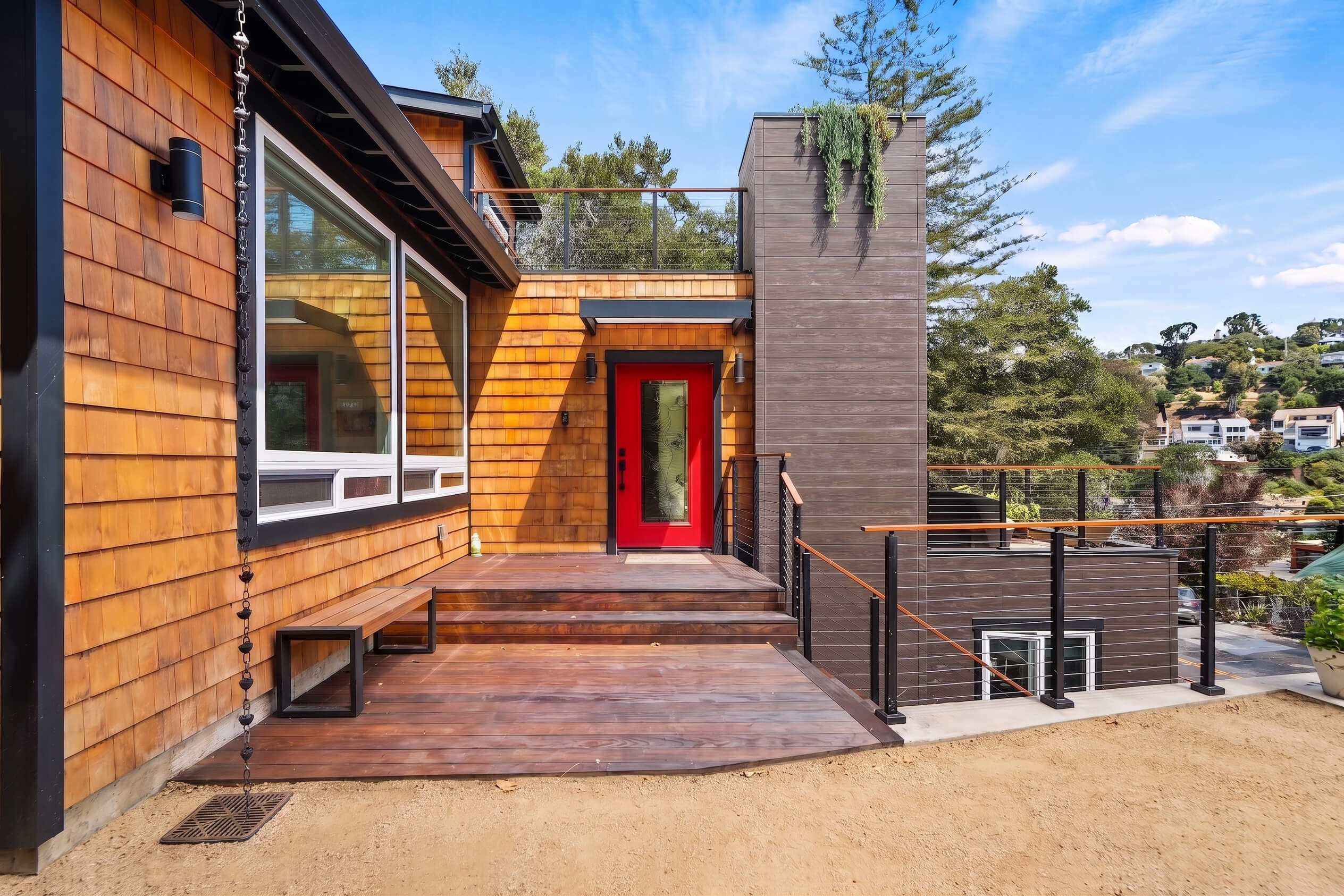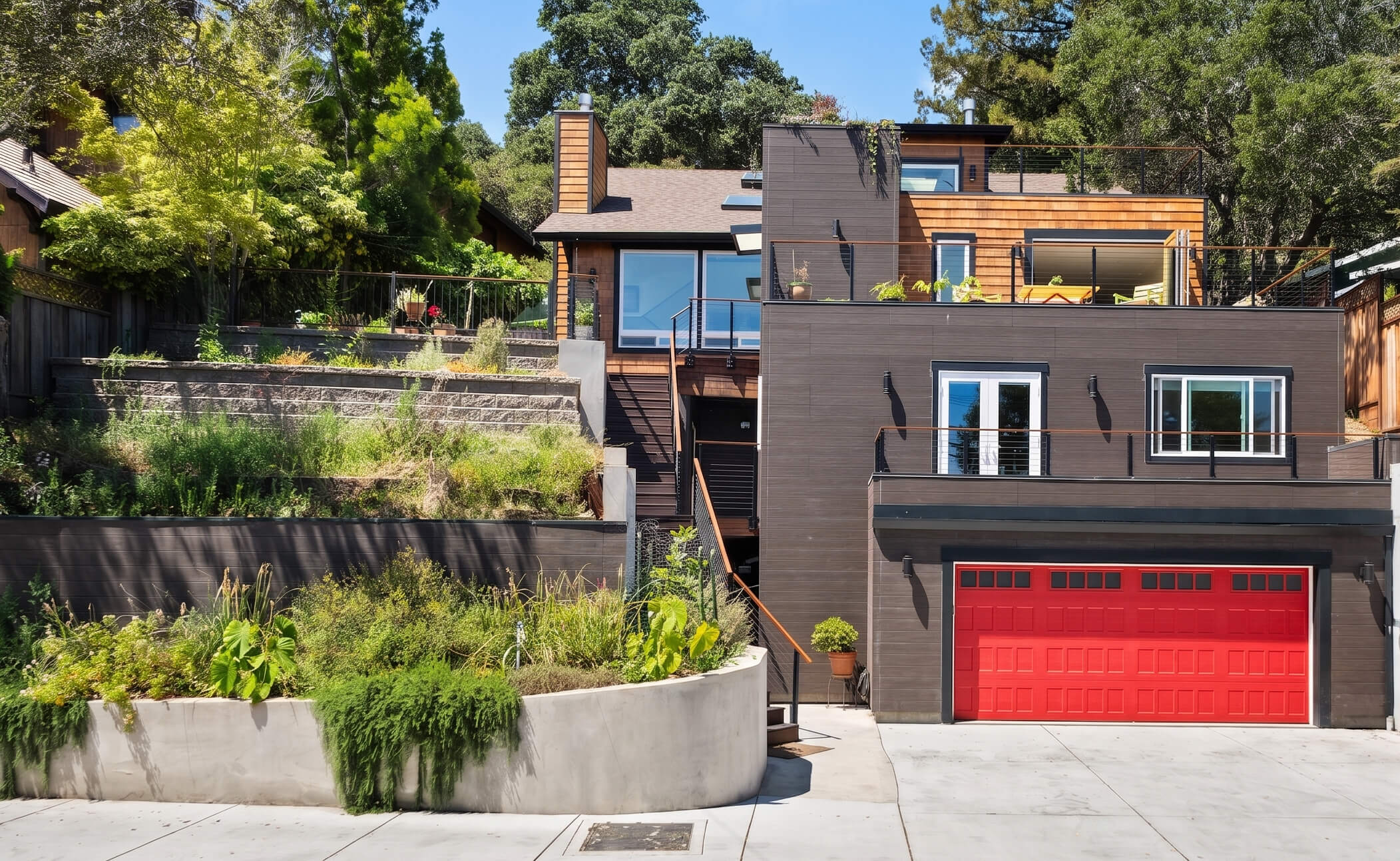
Homeowners sometimes reach a point where the question is no longer just what to change, but how fundamentally to change it. A house may no longer fit the way the family lives. The layout may feel constrained, the bedrooms too small, the circulation awkward, or the relationship to the site underused. At that stage, the real decision is often not simply what to remodel, but whether it makes more sense to renovate what is there, add on, or begin again more substantially.
A Decision That Is Rarely Simple
There is rarely a single deciding factor. The answer is not only about budget, and it is not only about aesthetics. It depends on the existing house, the site, the jurisdiction, the timeline, and the degree to which the current structure can support what the family is trying to achieve.
In many cases, the most valuable part of early design work is not jumping to a solution, but understanding which of those paths is actually the right one.
When Renovation, Addition, or Rebuild Each Tend to Make Sense
Renovation tends to make sense when the existing house still has meaningful value to build on. That might mean the layout is imperfect but workable, the scale suits the neighborhood, or parts of the structure can be retained without fighting the larger goals of the project. An addition can make sense when the house needs more capacity, but the existing home still provides a strong foundation for growth. Rebuilding may deserve serious consideration when the house is deeply misaligned with the site or the family’s needs, or when the cost and complexity of working around the old structure begin to approach the cost of building new.
But in practice, many projects do not fall neatly into only one of those categories.
A Real Example: Strategic Retention at The Village
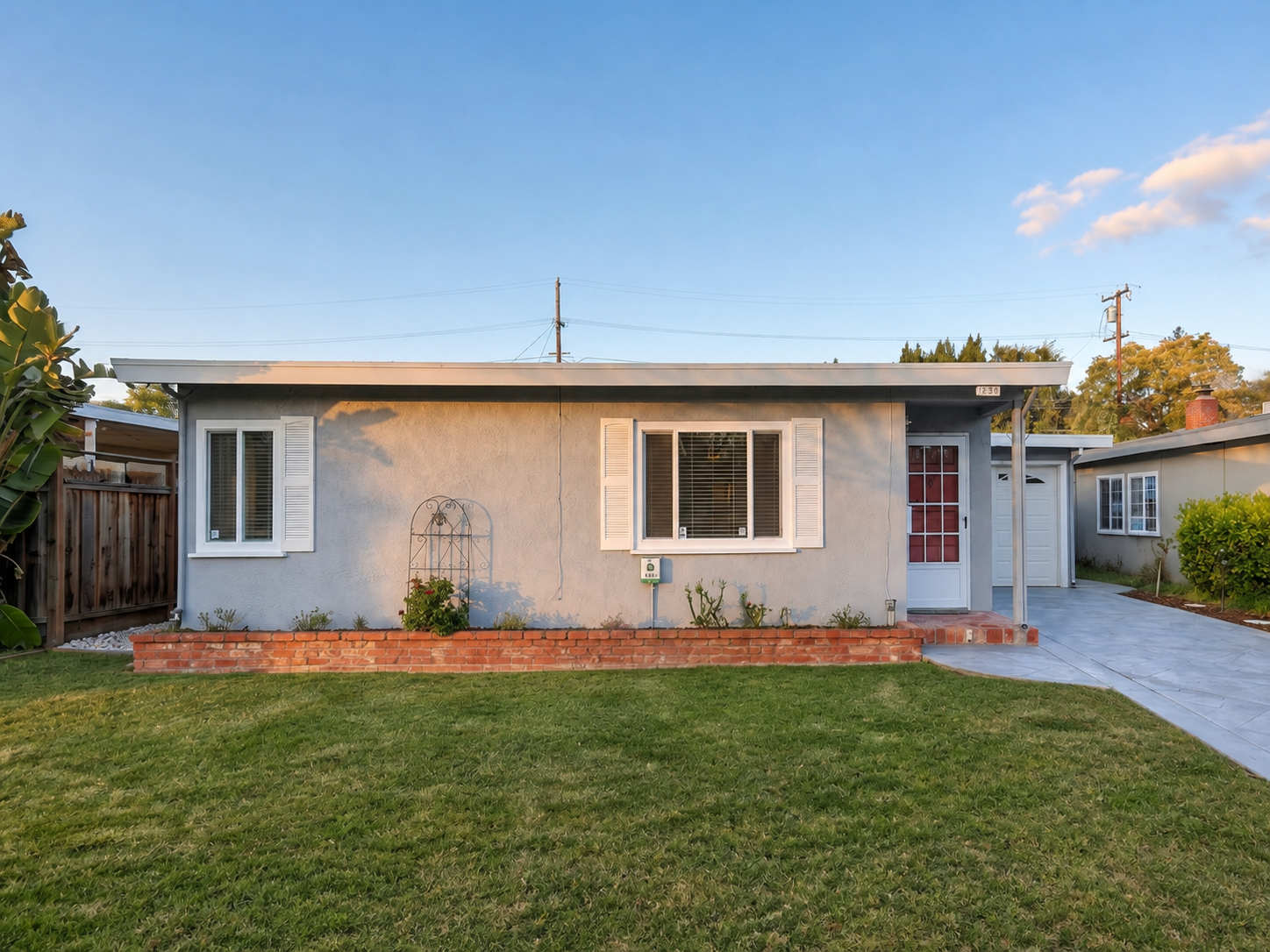
One project that comes to mind involved a very small 1952 house of about 910 square feet, The Village residence. The owners wanted a more contemporary, European-influenced home and needed a new roof in any case. On paper, it might have seemed simplest to raze the structure and start over. But the situation was more nuanced than that.
The owners were expecting their second child and wanted the home ready as soon as possible for their growing family, so timeline mattered. In San Mateo, a more extensive removal of the existing structure would have pushed the project into a more involved planning path. The city’s single-family review process distinguishes between ordinary remodels and substantial removal, including demolition of a significant portion of the exterior walls or removal of a roof structure with an associated height increase. Projects crossing those thresholds require additional review.
In this case, it made sense to keep a significant portion of the perimeter and selectively remove the parts of the house that were least worth preserving. The garage and sunroom were relatively easy to let go. They were more informal, less integral to the life of the house, and built in a substandard way. The two bedrooms and bathroom, by contrast, were retained because their layout was serviceable and their location still made sense, allowing the project to focus time and budget on the parts of the house that most needed transformation.
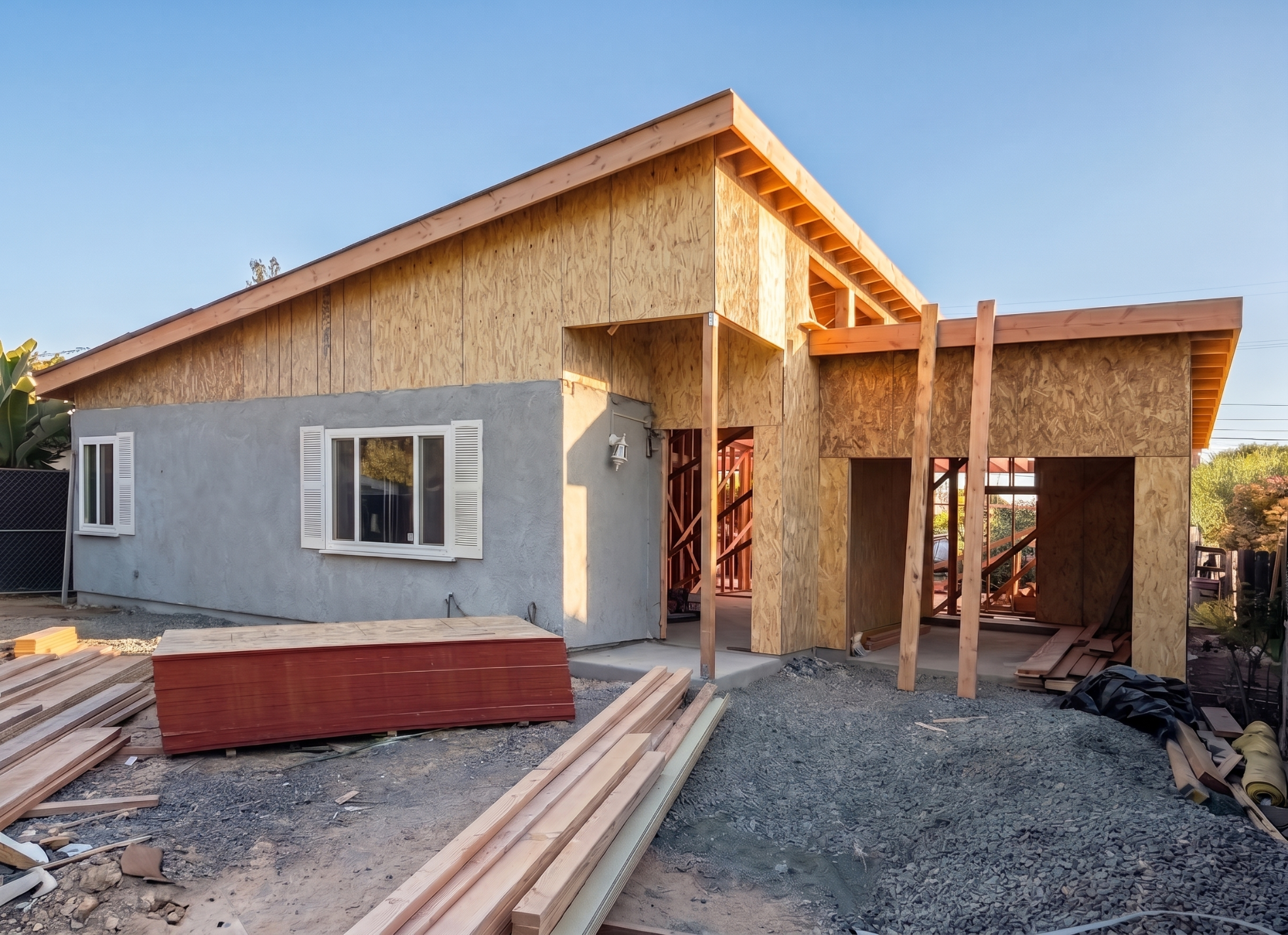
That decision did not make construction simpler in every respect. In some ways, a full teardown would have been cleaner for the builder. Working with existing conditions can be labor-intensive, especially when threading new structural and spatial ambitions through older construction. In this case, the project involved moving from 8-foot ceilings to a lofted 15-foot cathedral ceiling in the kitchen and dining area, which required careful work to connect new framing to retained portions of the house.
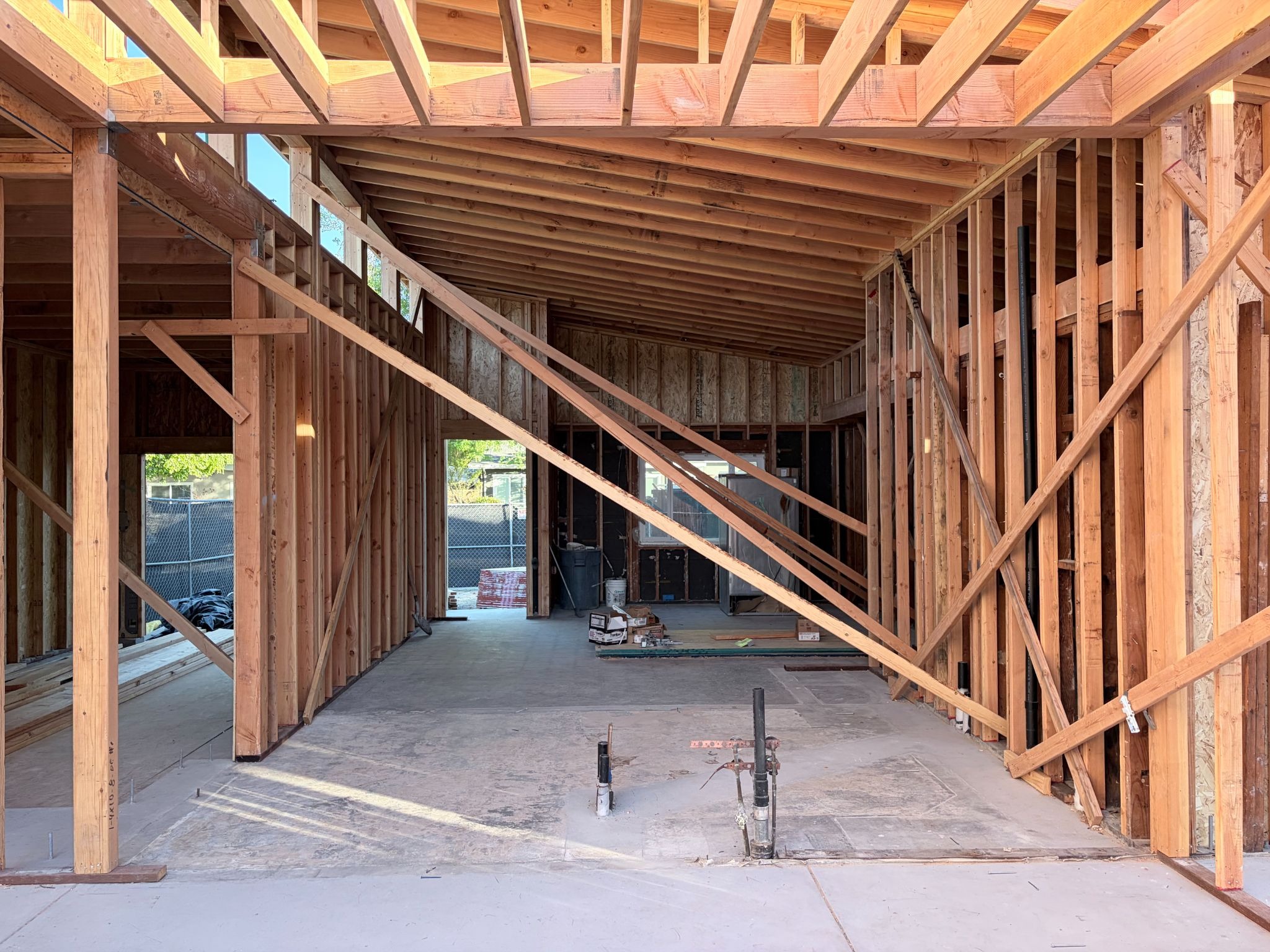
At the same time, that selective approach made it possible to transform the house in the ways that mattered most. The roof form and massing were reworked, giving the house a more contemporary identity while still keeping an appropriate scale for the neighborhood. At the rear, the addition opened more fully to the yard with a flatter roof form and large openings, changing not only the look of the house but also how it felt to live in.
That is often how this decision works in practice. The right answer is not always to preserve everything, and it is not always to start over. Sometimes the most strategic path is to identify which parts of the house still have value, and which parts are holding the project back.
Questions That Help Clarify the Right Path
A few questions can help clarify the decision:
- Is the existing house fundamentally sound and adaptable?
- Are the most problematic parts of the house localized, or do they run throughout the entire structure?
- Would an addition solve the real pressure points, or simply make the house larger?
- Would rebuilding trigger a much more involved review process or extend the timeline in a way that no longer serves the family’s needs?
- Are there portions of the house worth preserving because they still function well, even if other parts do not?
- Would a more surgical approach make better use of the budget than starting over completely?
These questions do not always produce a quick answer. But they help shift the conversation away from instinct alone and toward a more grounded understanding of what the house, site, and timeline can support.
What This Decision Really Comes Down To
In my experience, homeowners are often relieved when this decision becomes clearer. What initially feels like a choice between extremes can begin to resolve into something more specific and more strategic. Sometimes that means preserving more than expected. Sometimes it means letting go of more than expected. Often it means doing both, but with intention.
The right path is not necessarily the most ambitious one, and it is not always the most conservative one either. It is the one that makes the best use of the site, the investment, and the existing opportunities of the house.
If you are considering whether to renovate, add on, or rebuild, and want to think through which path best fits your home, site, and long-term goals, feel free to get in touch.